If new to Leica, one might get confused about the M and the R and the D and the C and the S letters:
Leica M
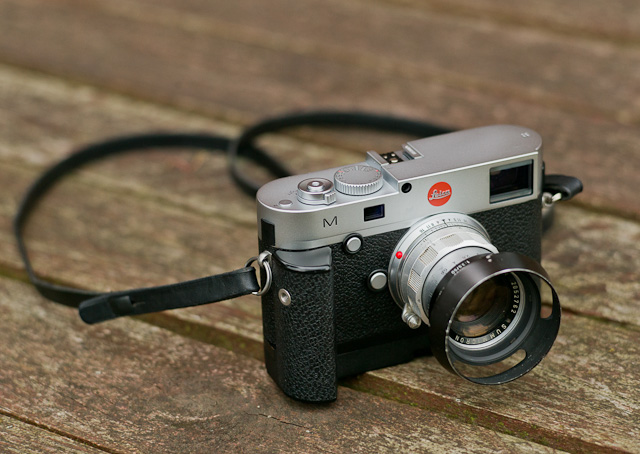
Leica M is the classic Leica from 1925 up to today's M6, M7, MP film cameras (with an addition of the Leica M-A in May 2014 as the brand new remake of a Leica film camera) and the digital Leica M8, Leica M8.2, Leica M9, Leica M9-P, Leica M-E, Leica MM (M Monochrom) and simply Leica M (as of 2013; though it is called "Leica M Typ 240"). All of the M cameras are rangefinder cameras, meaning one looks not through the lens but through a separate window.
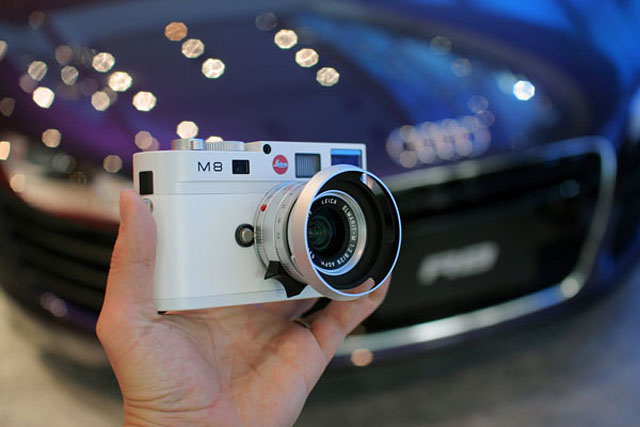
The special edition Leica M8 white that came out in spring of 2009 (and which divided the waters in terms of who amongst the Leica fan crowd thought it was a cool camera and others who felt it was the absolute degrading of classic Leica style. Nevertheless, it gave a lot of free PR in the fashion blogs where Leica is a regular guest as the probably most stylish camera in he world). Note that it's a M8, not M8.2.
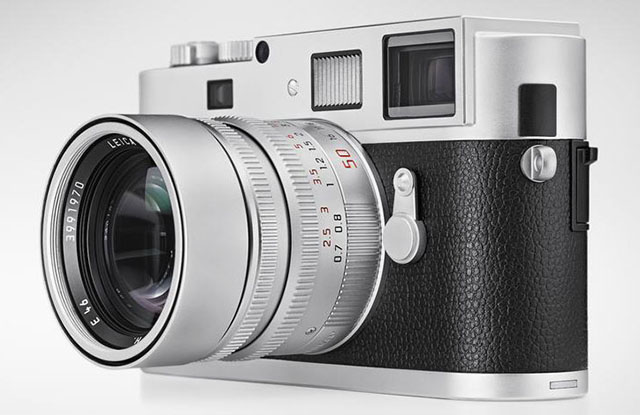
The Leica M Monochrom in silver chrome (as of May 2014). This 18MP black and white only camera was originally released in 2012 in black, and in May 2014 in silver chrome finish as well.
Me with an elated expression holding the Leica Hermes speical edition bag (announced in Berlin, May 2012) with the Leica M9 Hermes inside and the three lenses (50/0.95, 50/1.4 and 28/2.0). Next to me the proud owner who acutally uses the kit every day. Perth, Australia, November 2012
The older Leica M was with screw-thread and not the M bayonet lens mount. Thoses are some times referred to as V lenses. In any case, these still exist as second-hand and will fit any screw-thread Leica camera, and also (via an adapter) any Leica M camera, including the digital rangefinders Leica M8, M8.2, Leica M9 and Leica M 240. Everything will work, the focus, the aperture and all. Only you can't get the lenses 6-bit coded at the factory (as the 6-bit coding system doesn't support older lenses).
There exist many intersting older lenses with a special look. See the Leica Lens Comendium for an overview.
Leica R
Leica R is the SLR cameras from Leica, the WYSIWYG (WhatYourSeeIsWhatYoyGet) camera where you look through the lens of the camera via a mirror, thus seeing the exact picture you will get. The R system consist of wide angle lenses from 15mm to 1600mm tele lenses (an 800mm with a 2X extender).
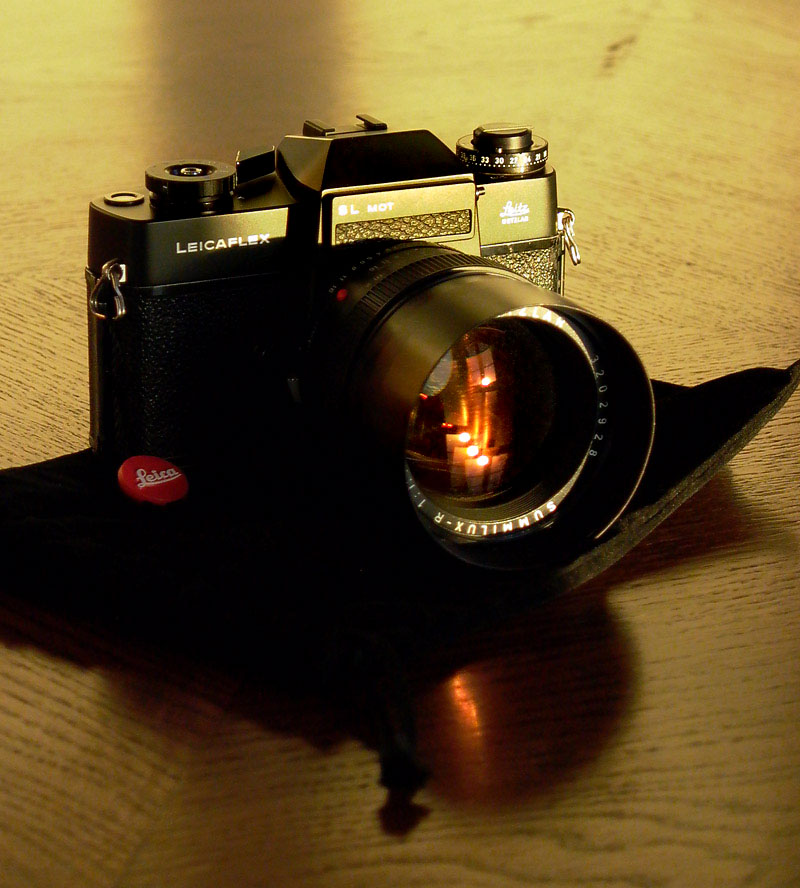
The first Leica R was the Leitz Leicaflex that came in several editions (Leicaflex SL, Leicaflex SL2) and then Leica came with R3, R4 and onwards to the Leica R9 which was the last Leica R camera under the "R" system (as Leica announced in April 2009 that the R system would no longer be). See the Leica Camera Compendium for details on R models.
Leica R8 and R9 can be made digital by using the digital back Leica DMR that Leica, Imacon and Kodak developed together till Imacon was sold to Hasselblad (the digital back was sold from 2005 to 2006). An entire digital Leica R10 was expected in 2010, but then in July of 2009 Leica called that one off and instead said they would - in the future - show a solution for Leica R lens users. The market for a Leica R10 would simply be too small, in Leica Camera AG's estimate only 10% of the Leica M market (and an Leica R10 would cost the same to develop as the Leica M9 did).
The future solution Leica Camera AG mentioned then was the Leica M 240 that was introduced at Photokina in September 2012 and started delivery in March 2013. The new 24Mp Leica M 240 has Live View and an EVF-2 electronic viewfinder which allows one to focus the Leica R lenses on the Leica M240 using a Leica R-to-M adapter.
Leica R lenses are - if not the best lenses in the world - then amongst them. To test that statement one can do as many others have done, which is getting a Novoflex Leica R lenses to Canon EOS body adapter and start using manual focusing Leica R lenses on canon bodies, with focus confirmation.
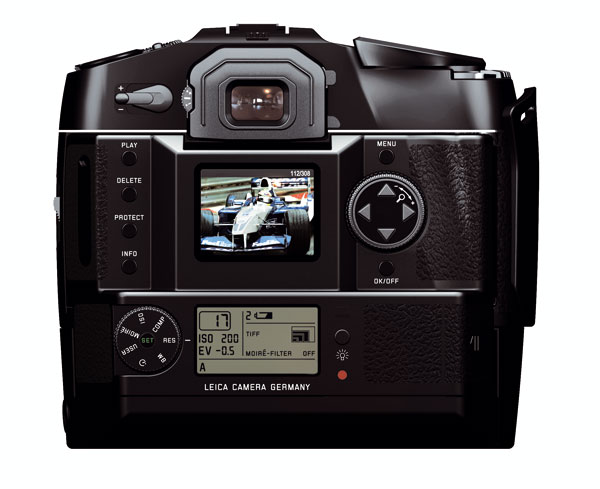
Leica DMR back for Leica R8 and Leica R9 film cameras is an interchangeable back that makes the film camera into a 10 MP digital camera in 60 seconds.
Leica R lenses on Canon 5D Mark II and other dSLR cameras
With the end of Leica R lenses being produced, quite many Leica R lenses get a new life via an Leica-to-Canon adapter, or via a refitting of their bayonet to Nikon (Leitax), and with the increase in digital video this trend will most likely continue. Here is an example of the Leica 19mm Elmarit-R f/2.8 (version I) lens on Canon dSLR 5D Mark II:
With the introcution of the Leica M 240 in 2012, the Leica R lenses also fits onto the Leica M series via ana adapter from Leica, and using the Live View (that allow you to focus the lens live).
Leica D or Digilux
Leica D is the new Digilux digital series from the late 90ties and onward (Digilux, Digilux 1, Digilux 2, Digilux 3, etc.). Whereas the Leica Digilux, Digilux 1 and Leica Digilux 2 employed fixed zooms, the Digilux 3 camera introduced the new 4/3 lens format also used by Olympus, Panasonic and others. More interestingly, an 4/3 or R adapter exist, making it possible to attach Leica R lenses to an digilux 3 camera (with a crop factor of 2X but no loss of aperture; thus making the renowned Leica 180mm Summilux-R f/2.0 into a 360mm f/2.0 lens, just to name one example). Leica stated in 2009 that they would not do any more 4/3 format cameras or lenses. They did a Leica 50mm f/1.4 lens for the Leica Digilux 3 and other 4/3 format cameras as well before they stopped.
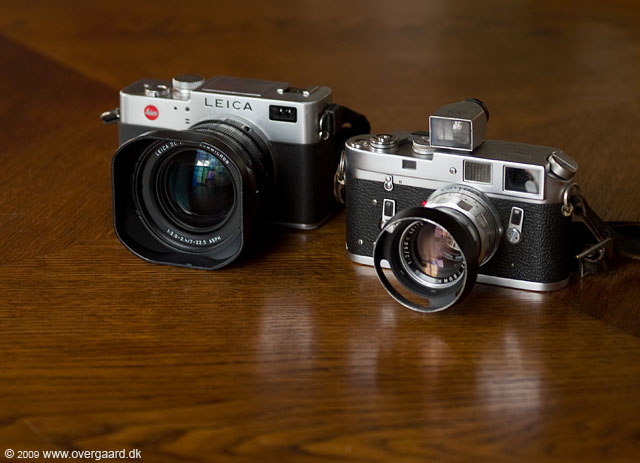
Leica Digilux 2 from 2004 next to the Leitz M4 in chrome from 1974. The lens is the 50mm Summicron-M f/2.0 and I've kept a 21mm viewfinder on top of the M4 to make a point.
Leica Q
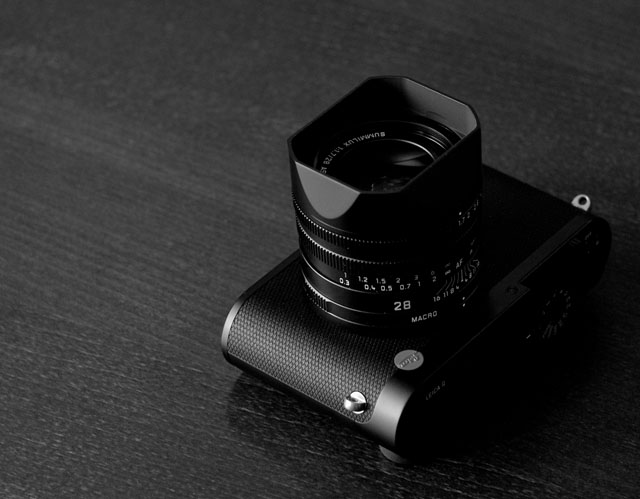
In June 2015 Leica Camera AG introduced the new Leica Q (Type 116) that is a full-frame mirrorless digital rangefinder. It has a fixed 28mm Summilux lens. See the article here.
In May 2014 Leica Camera AG introduced the Leica T, a new model with it's own new lens mount for interchangeable lenses. As well as a Leica M to T adapter so one can mount Leica M lenses onto them.
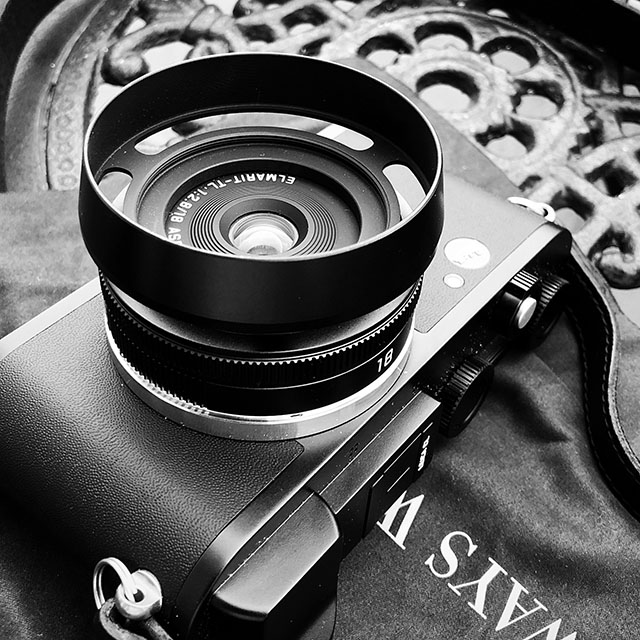
Suddenly, by the end of 2017, Leica Camea AG announced the Leica CL as a new model series. the short description would be a Leica TL2 with built-in EVF ... and some design inspiration from the Leica Q. See my article on the Leica CL here, "Leica CL: The Plot Thickens".
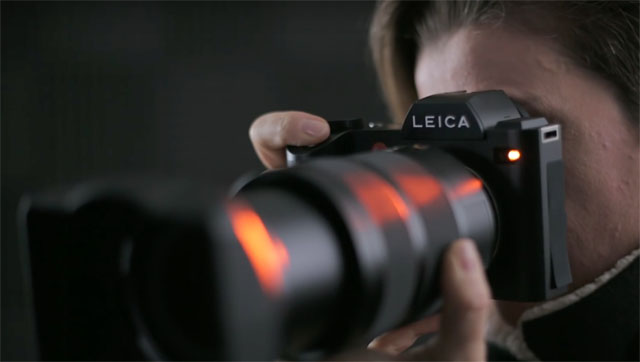
In October 2015 Leica Camera AG revealed the Leica SL type 601 that has been designed under the codename. While it is a full-frame mirrorless camera, it is more a dSLR without the mirror. It is somewhat the Leica R10 that never came, but here it is and it takes all Leica lenses ever made (Leica T, Leica M, Leica R, Leica S, etc).
Leica D-Lux
Leica D-lux (not to be confused with Digilux) is small digital pocket cameras, such as the Leica D-Lux 6 (2012) or the arlier model, Leica D-Lux 5 with EVF as acessory (2010) as a replacement for the Leica D-Lux 4 (2008) whihc replaced the Leica D-Lux 3.
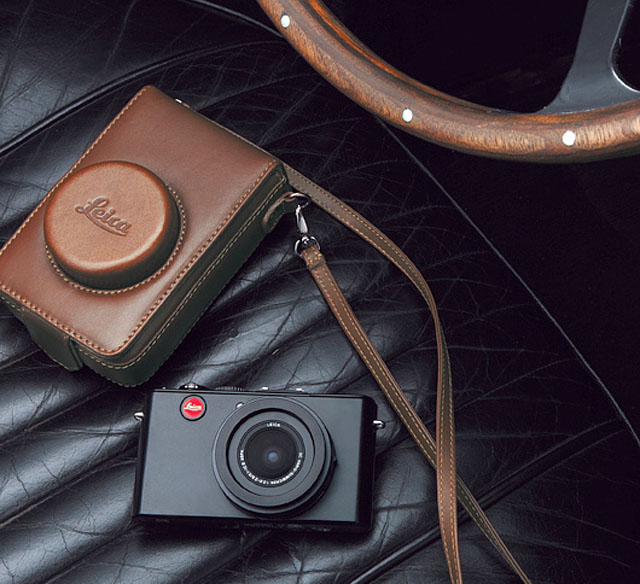
D-Lux 4 for old Leica fanboys as well as all users new to Leica, with a classic looking brown or black leather bag. An external viewfinder also exist (as there's no viewfinder in the camera; one uses the screen on the back).
Leica V-Lux
Leica V-Lux are a dSLR-looking digital camera that is not a SLR, made in coorporation with Panasonic who offers their Panasonic version of the same camera (different design, JPG-files optimized to reproduce asian skin tones where Leica is optimized to reproduce Western skin tones). The V-Lux 1 was introduced in 2008 and replaced by the V-Lux 2 in 2010. It works like dSLR. Cheap, effective, and with an integrated 35-400mm optical zoom lens.
Leica C-Lux
Leica C-Lux are the smallest digital consumer cameras, as for example as the 2010-introduced Leica C-Lux 20.
Leica S
Leica S and Leica S2 is the medium format Leica Camera AG introduced in December 2009 with the Leica S, and with Leica S2 in December 2009. The name is a bit curious because Leica produced an entirely different "large format" camera ten years earlier, the Leica S from 1996-1999 ( see further below).
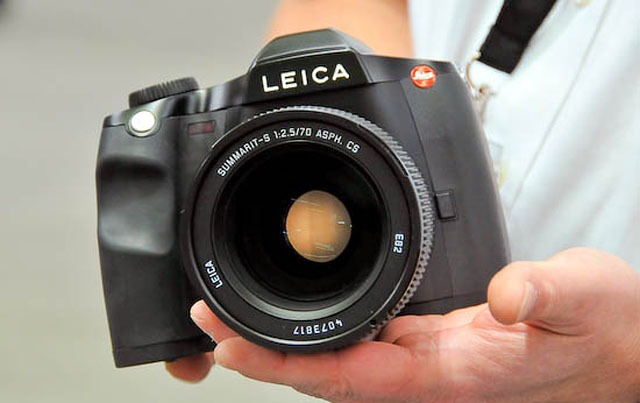
Leica S2 working prototype of a 37.5 MP medium format digital camera as presented at Photokina 2008 with the 70mm Summarit-S ASPH CS autofocus lens. (Photo from Digital Photography)
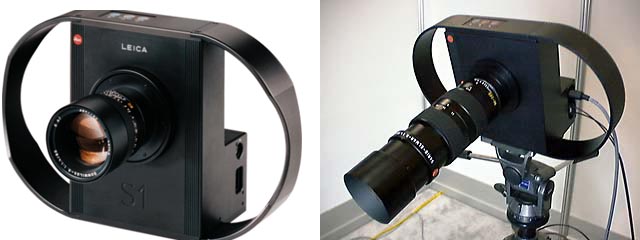
Early S: In 1996, as the digital photography revolution began, Leica introduced its Leica S1 digital camera to the market. The biggest of the three versions (Pro, Alpha and Highspeed) packed a 36x36mm sensor as 75 megapixels – quite something cosidering the digital SLR cameras had from 1 to 4 MP back then. The Leica S1 was meant as a studio camera that delivered a digital scan (30-60 seconds) directly to an Apple computer (using Silverfast software), and thus not a camera made for carrying around. The price was about $30,000 and 146 was made of them. The Leica S1 took Leica R and M lenses, as well as Hasselblad, Nikon, Canon, Minolta, Zeiss, Olympus, Pentax, Sinar and Mamiya.
The 75MP files is not entirely consistent witht he specifications I have for resolution, but as they were scan cameras (slowly taking one of the three main colors (RGB) at the time, it's possiblethe the megapixels added up to three times the pixel count:
Leica S1 Pro 5140 x 5140 pixels 185 seconds scanning time. Leica S1 Alpha 2750 x 2750 pixels 75 seconds scanning time. Leica S1 High Speed 4000 x 4000 pixels 18 seconds scanning time.
Leica X and Leica X Vario
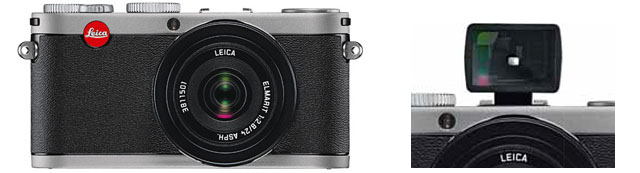
In December 2009 the world got to see the brand-new Leica X1 compact camera with a fixed 36mm lens. It has a lightstrong APS-sized sensor, why the 24/2.8 lens is equvivalent to a 36mm lens on a traditional 35mm camera. According to Leica Camera AG in a factory briefing on November 2009, they are considering developing other Leica X cameras with other lenses. At Photokina 2010 Leica Camera AG announced the Leica X1 in black (and Fuji announced their copycat, Fuji X100, to which owner of Leica Camera AG Andreas Kaufmann noted "The Japanese has started to copy Leica, again. That is a good sign, I think.").
The Leica X2 was introduced in 2012, and the Leica X Vario (with fixed zoom lens) in 2013.
Leica X1 and a crop with the 36mm viewfinder (not included with the camera).
Leica Cine Lenses C-Summilux and C-Summicron movie primes
Leica Summilux-C prime lenses
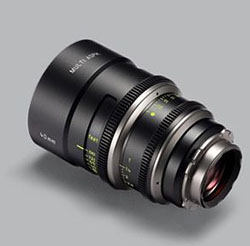
In late 2010 Leica take a return their role as producer of movie primes with the line of C-Summilux Cine and C-Summicron Cine lenses (as presented in April 2010 at NAB).. The intitial line will consist of 18mm, 21mm, 25mm, 35mm, 40mm, 50mm, 75mm, and 100mm PL mount primes designed to deliver ultra-high optical performance for film and digital capture.
Leitz Canada developed and manufactured Panavision Primo lenses a well as the optics for the IMAX-projector for many years.
The Leica C-Summilux and C-Cummicron lenses are available from Leica Store Los Angeles, Bandpro, FJS International , Hollywood Camera and more ...
Prices are for a set of six lenses (18mm, 25mm, 35mm, 50mm, 75mm and 100mm) is $200,0000 for Summilux and $100,000 for Summicron.
Other lenses has become available in 2014, such as 16mm, 21mm, 29mm, 65mm, 135mm.
The lenses are not sold invidually from new, but of course some will sell off lenses individually they don't need. For example FJS International sell both new and second-hand lenses and sets and a Summicron lens seem to be in the area of $17,500 plus/minus. The Cine lenses can be fitted on the Leica M 240 via a Leica C-to-M Adapter.
As of March 2011 there is a thread on the RED User Forum about test shooting the new Leica C-Summilux primes on the RED EPIC camera.
ELCAN
[Ernst Leitz Canada, established 1952] ELCAN was and still is the military/industrial branch of the old "Ernst Leitz Canada" (See page 1 for the ELCAN story). In 1998, the ELCAN plant was sold to Raytheon (USA), who bought it from its previous owner, Hughes Aircraft Co.
According to John Francis from the Leica Forum, ELCAN was asked by the US military to develop the U.S. Navy High Resolution Small Format Camera System during the Viet Nam war which is/was composed of the following:
- ELCAN-M 65mm f/2.0 (ca. 20 made)
- ELCAN-M 65mm f/0.75
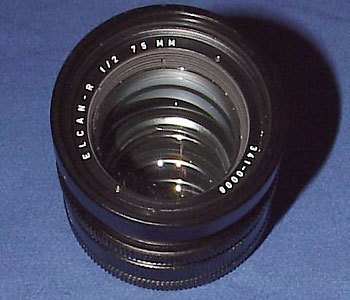
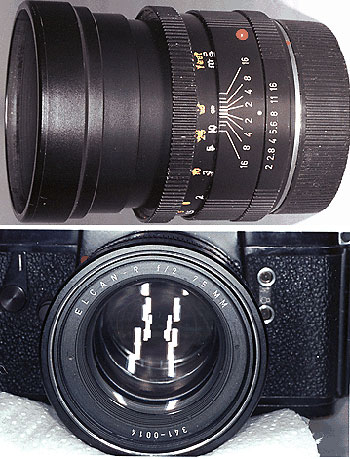
- ELCAN-R 75mm f/2, code C-341
- ELCAN-R 180mm f/3.4, code C-303
- ELCAN-R 450mm f/5.6, code C-329
- There was also a “standard issue” Leitz Summicron-R 35mm f/2
- Leicaflex SL 35mm SLR camera (modified??)
- Leitz Focomat II (modified), code EN-121A
- Vincent electrical shutter (for enlarger)
- ELCAN 52mm enlarger lens (20x-25x enlargements)
- ELCAN 20mm enlarger lens (40x-75x enlargements)
- ELCAN 128mm f/5.6 enlarger lens (prototype, could also fit large format cameras)
- Very high resolution B&W film, and developer
All above lenses are of apochromatic correction [APO] of the very highest degree, and were specifically designed by Walter Mandler of Leitz Canada/ELCAN.
Walter Mandler was, at the time, the Chief Engineer at Leitz Canada and a true legend in his own time. He was responsible for the design of the current Summicron 50mm, both for the Leica M and R system which is considered one of – or the – best 50mm lenses in the world, the Noctilux-M 50mm f/1, the original APO-Telyt-R 180mm f/3.4 and the original Elmarit-R 19mm f/2.8, etc... A legend in his own time!
The lens in the picture is the ELCAN-R 75mm f/2 C-341, made by ELCAN, Canada in the 60ties or early 1970's as part of the "U.S. Navy High Resolution Small Format Camera System." I the picture above it is no 14 and below is no 8. There should have been produced 30 or so of which some was lost during the Viet Nam war.
It seems ELCAN have been producing small series of many interesting things over the years. According to Hans Kafle at the Leica Forum there was one Elcan-M 90mm f/1.0 (picture above) sold at Christie's auction in London for 20.900 £ a few years ago – with a Leica KE-7A from 1972 included though. A similar lens was offered for sale by Arsenal Photo in 2008 for 23,000 £.See the article on 90mm lenses here.
A ELCAN-M 65mm f/0.75 also exist as this was on display at a LHSA meeting in 1994, presented by LHSA chairman Rolf Fricke.
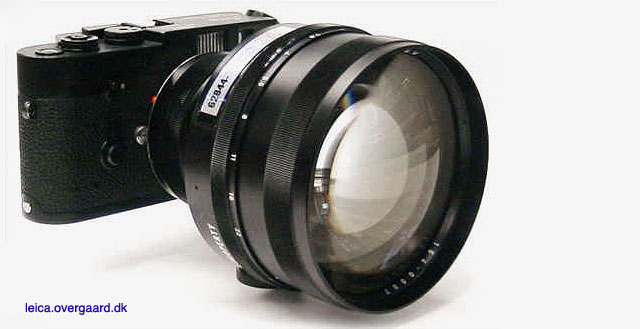
Also offered from Arsenal Photo in 2008 was this "Noctilux" 75mm f/0.85 lens attached to an M3 camera (and according to the seller only working with this camera). 4,000 €.
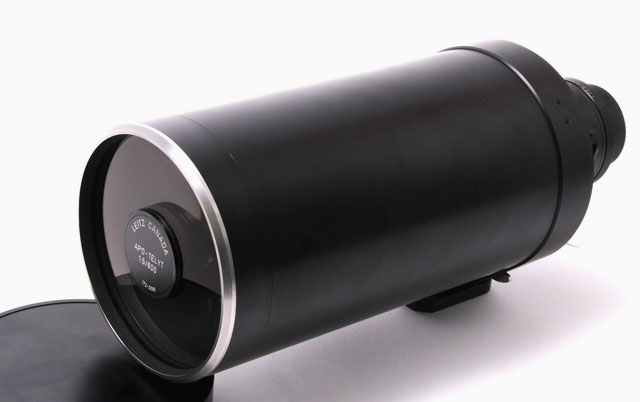
Leitz 600mm APO-Telyt-R f/5.0 prototype no 172-0001 was on sale on eBay in 2016 from photoalps gmbh in Austria for an asking price of $160,000.
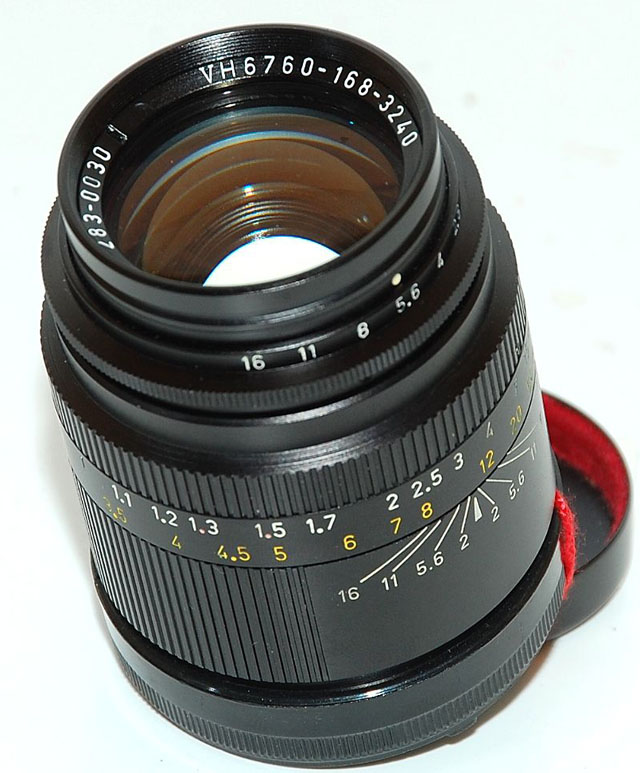
Other Leica M ELCAN lenses exist, likewise made at Leitz Canada. A Elcan-M 66mm f/2.0 (Elcan VH 6760-168-3240 as seen right) has been for sale in Germany at Arsenal Photo for 13,000 € (serial no 283-0030).
Also a Leica M ELCAN 51mm f/2.0 exist as a prototype (called ELCAN-M 2 inch f/2).
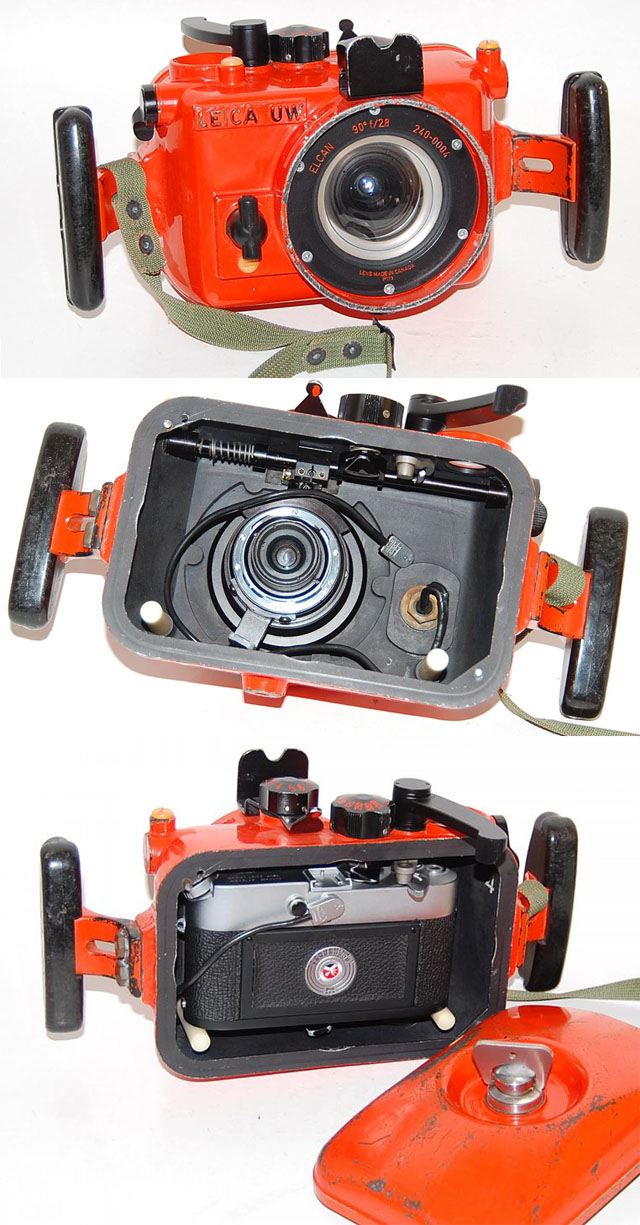
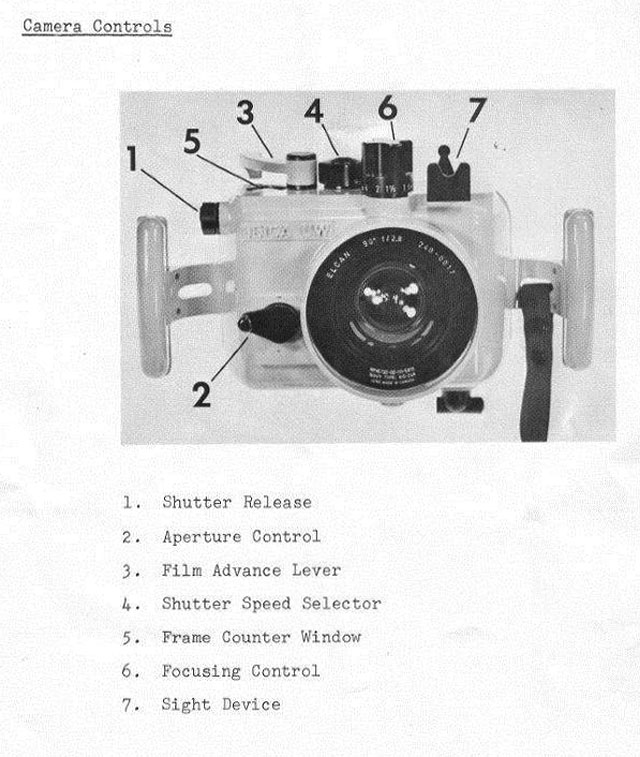
Also a curiosity from "Leica's 007-department" is the ELCAN Leica UW underwater housing for the M camera. It's with a fixed Elcan-M 28mm f/2.8 90° lens why one would just attach an M4 or other M camera (except Leica M5), and then seal the thing and go diving. One was at sale in Germany for 10,000 € at Arsenal Photo in 2008 (serial no 240-0004) and another (no 240-0043) was sold for $ 204,841 i 2011.
The serial numbers are not in sequence. Here are seven of the known numbers that have existed:
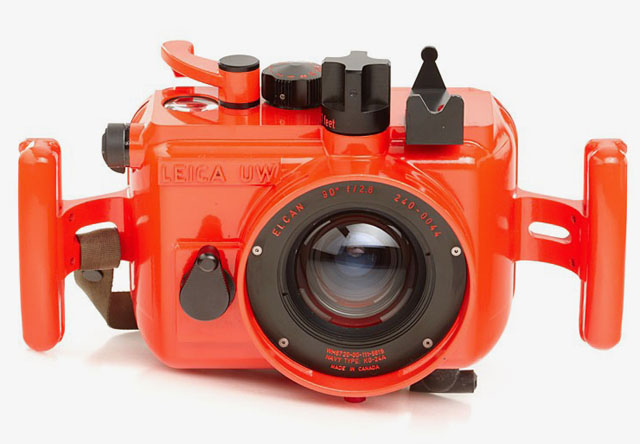
240-0043, 240-0004, 240-0017, 240-0025, 240-0044 (sold at Westerlich on Nov 24, 2012 for 72,000 Euros), 240-0046, 240-0050.
Leica UW serial 240-0044. Sold for 72,000 Euro on November 24, 2012.
The Leica UW was produced by ELCAN (Ernst Leitz Canada Ltd) in collaboration with the US Navy Photographic Center in Washington DC in the late 1960s. The Leica UW was never extended into a production run and less than 10 samples were made, all with an original Samsonite case and a Users Manual.
The Leica UW was made for use with Leica M cameras, except the Leica M5 and meant for available light though a flash cable could be mounted in some or all of the Leice UW.
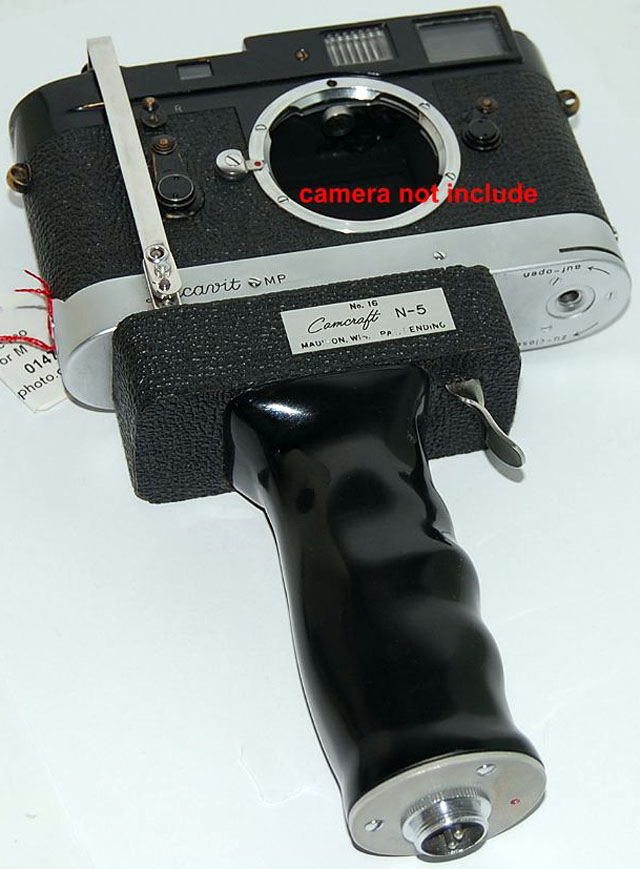
The Norman Goldberg "Camcraft N-5" motor (above) for Leica M2 and MP can be used to shoot and rewind in one go. Last one seen at Arsenal Photo in 2008 for 10,000 € (serial no 16). As can be seen on the photo, external power is required.
Expensive Leica cameras
According to rumors, a Leica M3 with the first serial number 700000 was sold for 75.000£ on auction around 2003.
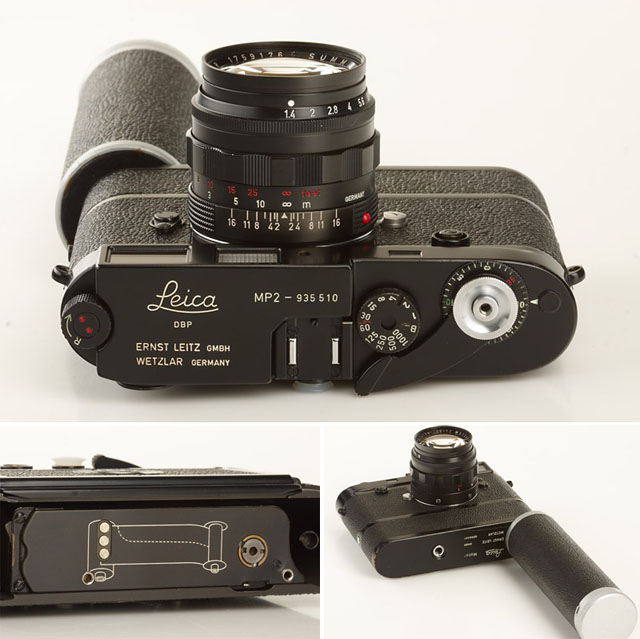
€335,000: In November 2010 this rare Leica MP2 from 1958 (serial no 935510) with electric motor and battery packhand grip was sold at WestLicht Auction for 335,000 € (402,000 € incl. Premium), including a 50mm Summilux f/1.4 though. What makes it rare is that only six cameras of these were made in black lacque (x07-x12). The original owner of this camera was Wilhelm Schack, who got it shortly before his death and never got to use it.
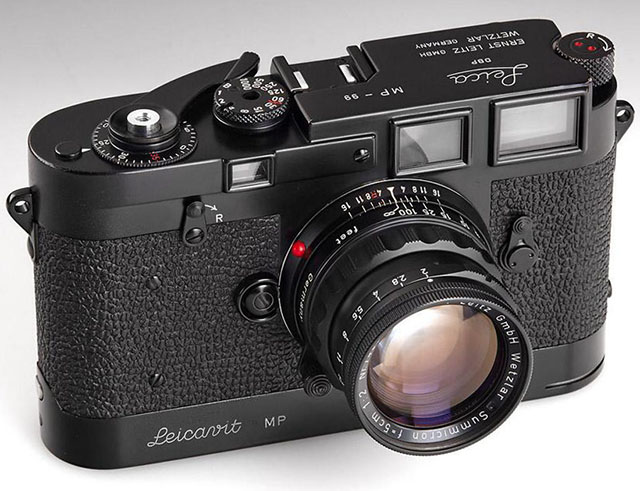
€340,000: This Leica MP (serial number 99) with Leica 50mm Summicron-M f/2.0 and Leicavit rewind sold for 344,000 at the WestLicht Auction on May 23, 2014.
Leica M3D-2
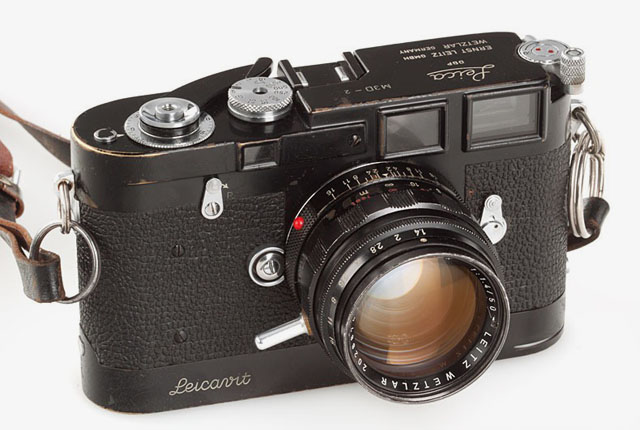
Famous forerunner of all MP cameras specially designed and built by Leitz for the American photographer David Douglas Duncan. Only 4 of these cameras (M3D-1 to M3D-4) were produced for, and used for many years by Duncan. Shown and sold with black Leicavit (engraved 'Leicavit' without 'MP') and black paint Summilux 1.4/50mm no. 2028874 with special focusing lever.
The camera was owned until 2007 by LIFE photographer David Douglas Duncan (born January 23, 1916). He is best known for his dramatic combat photographs of Korean and Vietnam War and his work with his close friend Pablo Picasso. As a result of this friendship seven books were published, all photographs were taken with the Leica M3-D.
Sold on the Westerlich auction on November 24, 2012 for a record price of 1,680,000 Euros (including lens and Leicavit).
1,680,000 Euro - Leica M3D black paint, November 2012 (1955, serial number M3D-2)
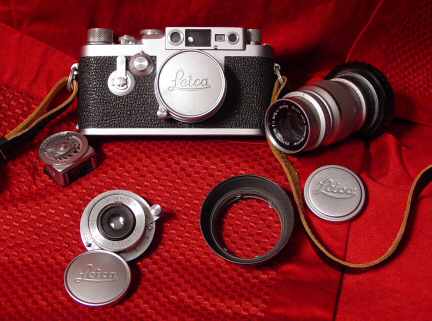
In August 2004 a person in the Leica forum told about a IIIg his father had given him. The father had closed down his photo shop and had saved a Leica with several lenses for each of his three kids. The camera mentioned had the IIIg serial number 825001 (anno 1956) and thus was the first Leica IIIg in production. The owner wanted to inquire as to what such a camera would be worth and some forum members said "minimum half" of the 75.000£ the first M3 had given at an auction. The owner was kind enough also to show how the camera looks (which must be said to be in mint condition).
Above: The IIIg first off the assembly line ever anno 1956 with
serial number 825001 and the lenses that goes with it.
The lenses does not carry any "special numbers."
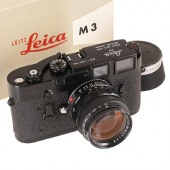
On 6th November 2004 a Leica M3 black paint was sold for 38.125 Euro. In mint condition and with the box of course (picture right).
Leica 250GG and 2500GG as high as € 498,000
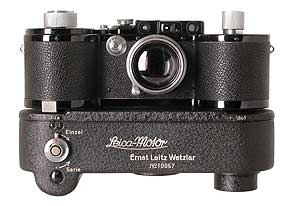
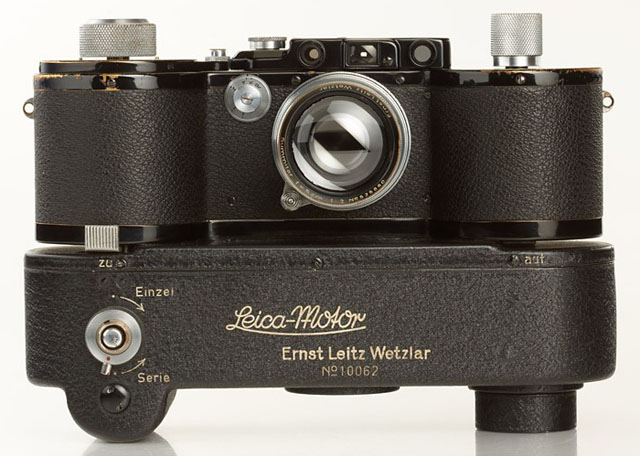
The 250 GG cameras were made for Luftwaffe to be mounted outsideand under the airplanes (in freezing temperatures) and remote triggerede from the cockpit to shoot a series of images when the plane flew over the target. They are extremely rare.
€ 171,250: A 250 GG, was sold at auction the 29th May 2004 for 171.250 Euro.
€ 180,000: Another 250GG with motor (serial 10062 from 1942) was sold in November 2010 at WestLlich Auction for 150,000 € (180,000 € including Premium).
€ 498,000: The 2500GG camera (serial no 498098) with motor drive (serial 10006 from 1941; the earliest known sample of the motor) was sold on the special Leica 100 Year Annniversary Auction at the factory in Wetzlar by WestLlich Auction for €498,000 on May 27, 2014.
The Worlds Most Expensive Leicas
The Leitz
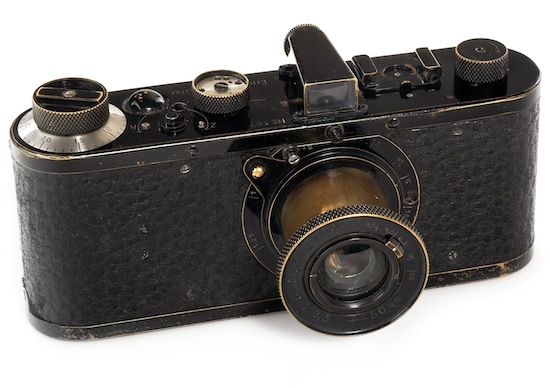
0-series Number 107 - €1,320,000
A 1,320,000 Euro world record in 2011
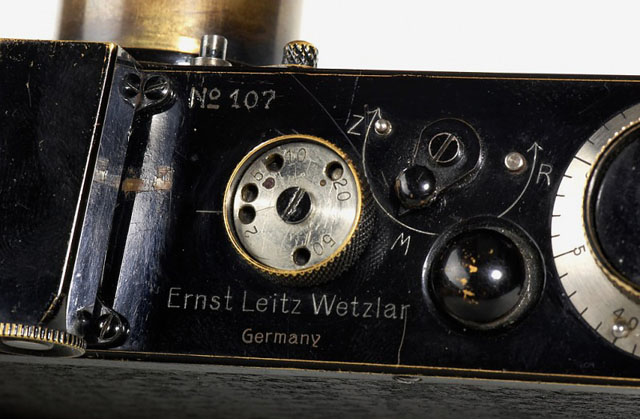
The world record for cameras was however set - at least so far - on May 28, 2011 when one of approx 25 Leitz 0-series, the Number 107, was sold at WestLicht Photographica Auction for 1,320,000 Euro to an Asian gentleman who wished to stay anonymeous. It is the only camera known with 'Germany' engraving on the top plate. The factory record indicates delivery to New York for patent applies. This means that this camera is not only one of the major rarities existing, it is also the first Leica being exported. In any case the world record made newspaper headlines worldwide, and perhaps an Asian gentleman dancing on the roof of his Ferrari.
The top plate of the Leitz
0-series Number 107 with the "Germany" engraved.
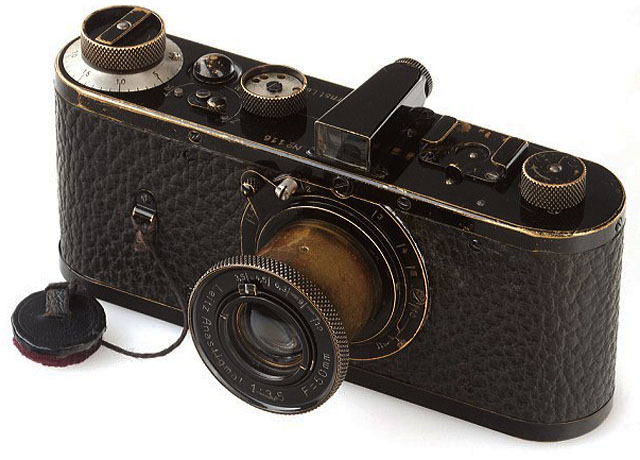
A new € 1,750,000 world record in 2012: This rare 1923 Leica 0-series no 116 (from a pilot series of 25) went for 2.16 million euros (£1.75 million or 2.8 million $) at an auction at Westlicht Gallery in Vienna in May 2012 - seven times the starting price.
Leica pre-production model of a 1600mm Telyt-R APO f/5.6. This sample is on display in the reception of the Leica Camera AG factory in Wetzlar, Germany and is valued at about 2,000,000$ - though not for sale currently. It's a pre-production model, and it is so because there was in fact made one of these for Leica fan Sheikh Saud Al Thani of Qatar in 2006.
Not unfamiliar with expensive toys, Saud Al Thani had a Mercedes 4WD made to act as tripod for the lens.
More interestingly perhaps, Sheikh Saud Al Thani has not only hired Spanish architect Santiago Calatrava to design a photography museum in Quatar, but is also rumored to have bought fabulous examples of work by the great photographic master throughout the last years for the museum.
Sheikh Saud Al Thani is chairman of Qatar's National Council for Culture, Arts and Heritage and have had commissioned portraits of himself by Richard Avedon, Henri Cartier-Bresson, Helmut Newton and Irving Penn.
He has also previously had special Leicas made, a solid titanium M7 in 2003 to name one and runs his own international photo competition, Al Thani Award for Photography.
I was supposed to have used the lens in Qatar when I was there in January 2013, but unforseen problems made it impossible to get the lens out in the desert to us.
Leitz Stereo Tandem TOWIN
I wondered what this was when I first saw it. It was invented in the 1940s by W. Berssenbrugge, an expert in colour and stereo photography, the Leica Tandem TOWIN was originally made for stereo exposures. However, E. Leitz Inc. advertised it in 1949 for simultaneous exposures in black and white and colour photography.
Mounted on top, a Leica IIIc no. 516305 with red scale Elmar 3.5/5 cm no. 1090488, on the bottom a Leica IIIc no. 516579 with red scale Elmar 3.5/5 cm no. 1198739 with special winding knob, including a very rare matching case for use with the complete unit, see Lager III, Accessories, page 347 and 348. Extremely rare outfit with the original components, the case is probably unique.
The Leitz Stereo Tandem Towin from the 1940's - two Leica IIIc cameras
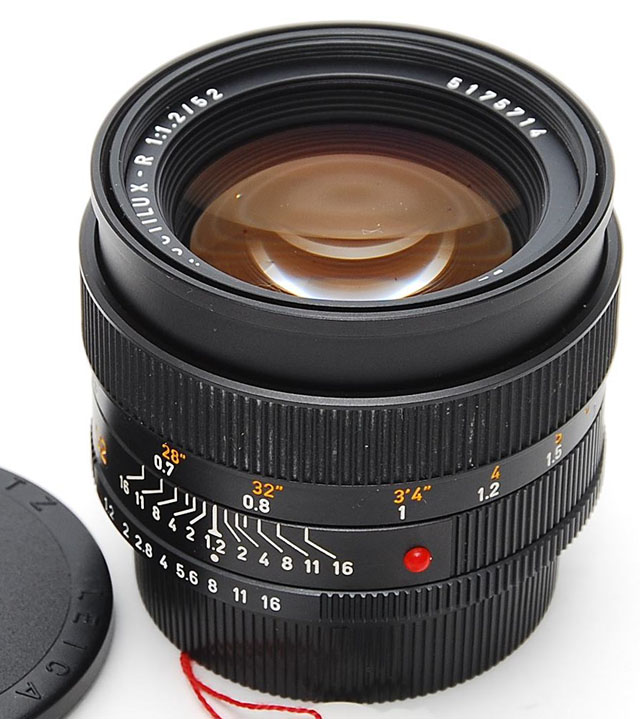
A Leitz Noctilux-R 52mm f/1.2 prototype surfaced in July 2008 where the German Leica shop Arsenal Photo offered this for the price of 30,000 € (serial no 5175714). Few knew this even existed! – and unfortunately it never went into production.
Speaking of which. The first Noctilux-M for the M cameras was produced from 1966-1975 as a 50mm f/1.2, replaced in 1976 by the f/1.0 Noctilux-M that Leica ceased to produce in 2008, selling the last 100 in stock for 10,000 € each - then replaced by the Leica Noctilux-M f/0.95 in 2009. See the Leica Lens Compendium for further details on lenses. I also have a special article about the Leica Noctilux lenses.
Leica also produced a 28mm Summilux-R f/1.4 as a prototype, likewise offered from Arsenal Photo in July 2008 for 12,000 € (serial no 5175764). A Leica 28mm Summilux-M ASPH f/1.4 was introduced to the market in May 204 by Leica.
Leica Special Editions and Leica Limited Editions
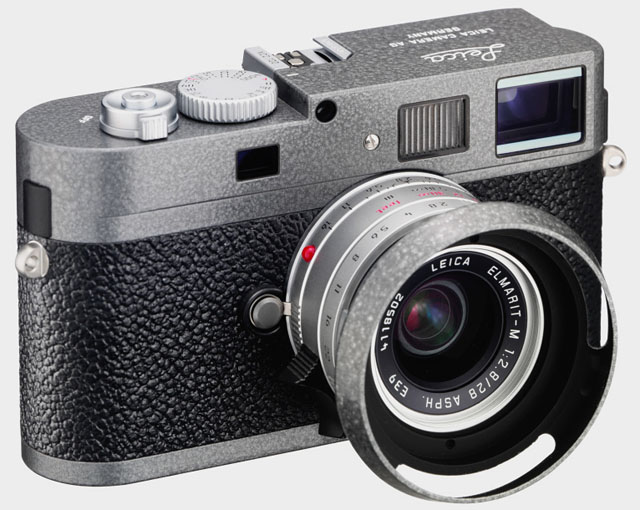
Leica M9-P Hammer Tone Limited Edition 100 pcs. celebrating the Leica Store Tokyo Ginza 5 year anniversary June 2011. The Leica M9-P Hammer Tone with Leica 28mm Elmarit-M ASPH f/2.8 and hammertone lens shade, price is listed to JPY 1,197,000 (ca. 15,000 $) for the set, and sold out in few days.
Leica M9-P silver chrome for the Leica Shop Vienna 20th Anniversary on June 16, 2011. Only 20 cameras made with accompanying Leica Noctilux-M ASPH f/0.95 Silver Chrome Limited Editionm and another 20 Leica M3-P analog film cameras with accompanying Leica Noctilux-M ASPH f/0.95 Silver Chrome Limited Edition.
My suggestion is to always seek to deal with Leica Camera AG in Wetzlar. Their sevice department is very competent and can handle anything from adjustment and sensor cleaning to repair of damaged cameras and lenses. Some times they can even re-create parts for older cameras that are not being made anymore.
Hanging out in the sofa in Customer Service in the Leica mothership in Wetzlar. Michel Razafimahefa is one of the people that takes care of the customers and their cameras.
Most Leica products are handmade, so they can get repaired by fixing or replacing parts. Some of the smaller cameras and electronic viewfinders, etc are mass-produced consumer goods that doesn't get repaired but replaced. 95% or more of Leica products can be repaired, and the prices are very fair. Even a luxory brand, a metal hood for a $10,000 lens may be only $10 plus labor.
The Leica facilities in Mayfair London, New Jersey USA, Singapore and others can usually not repair but may clean sensors and do minor repairs or adjustments. The rest they collect and send off to Wetzlar in Germany.
Obviously, if you want to be in control of the repair, shipment, repair time and all, don't go to a local dealer that will send it to a country office that will send it to Germany. Send it straight to Germany yourself.
Leica Third Party Repair Facilities worldwide
I'll try to collect a few third party repair facilities around the world here that may be of help when you want to shorten the delivery time. Some of these will do 6-bit coding, adjust and lubricate lenses, adjust focus on the camera body, replace missing or damaged parts and much more.
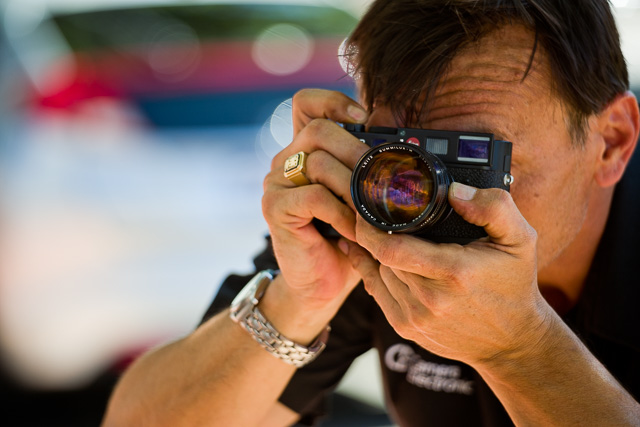
Perth, Australia Camera Electronics in Perth Australis is my favorite Leica dealer worldwide for being the most dynamic salesmen you will find to buy Leica from! They also have a repair facility upstairs that is headed by no less than Cesar who has 20+ year experience with Leica cameras and lenses. He has performed adjustments on many of my Leica M bodies and performeed other small miracles.
Hong Kong
The Leica doctor in Hong Kong that I have worked with is Lo Kwok Wah in Kowloon, Hong Kong.
Telephone +852 2388 8237
Mr. Lo Kwok Wah of Hong Kong smoothening my Leica 50mm Summicron-M f/2.0 Rigid (version II)
Tokyo, Japan and Kyoto, Japan
I am sure ther are lots of 3rd party repair men in Japan, but I would try first in the Leica Store Ginza where they have a repair department on the 1st floor that can handle quite a few things that other Leica stores would have to go to Germany to get done. The address is 6-4-1 Ginza, Chuo-ku, Tokyo. Telephone is +81 3 6215 7070. You can also drop off at the Leica Store Kyoto and they will bring it to Tokyo and back.
New York, USA I've heard good things of Nippon Photoclinic, Inc. but never visited myself. They can be found at
37W 39 St, Suite 401, New York, NY 10018,https://www.nipponphotoclinic.com
e-mail: nipponphotoclinic@gmail.com, Telephonel +1 (212) 982 3177
Wisconsin, USA
The 3rd party repair in the USA I keep getting recommended by dealers and Leica owners as the best Leica technician in the US is DAG in Wisconsin. Telephone +1 608 835 3342. E-mail dagcam@chorus.net
Paris, France
The person recommended in France is Mr. Silvain at Photo Suffren, 45, avenue de Suffren, 75007 Paris. Telephone 01 45 67 24 25. Website: www.photosuffren.com
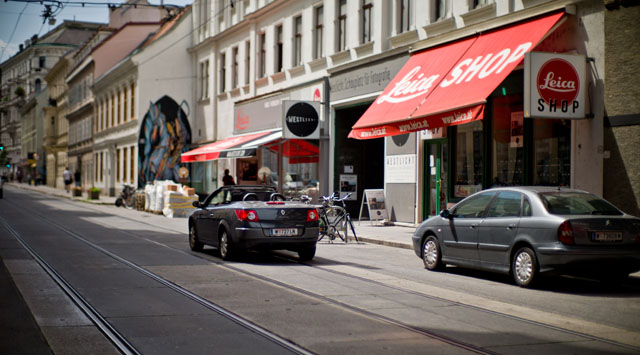
Vienna, Austria Leica Shop Vienna have restored and repaired Leica cameras for eons and have several experts that can help with both vintage and newer cameras and lenses.
The nice Leica Shop Vienna is a great place for second-hand cameras, filters, boxes, acessories and more. But also a great repair place for Leica cameras.
Wetzlar, Germany(vintage Leitz and Leica repair facility)
In Wetzlar, the hometown of Leica, there is a third party repair man, Ottmar Michaely, that deals solely with vintage and very rare Leica and Leitz models.
Even Leica Camera AG uses his company, Wetzlarer Feine Mechanik, for vintage cameras in their collection. Telephone +49 6443 833880.
Luton, England (United Kingdom) Camera Repairs & Restoration, 5 Downview, 751 Dunstable Road, Luton, LU4 0HP UK. Leica servicing and repairs to most Leica cameras & lenses from 1930's to 1990's. Please telephone or SMS text to +44 7790 627778. Here is the website.
Leica Stores and Leica Galleries around the world
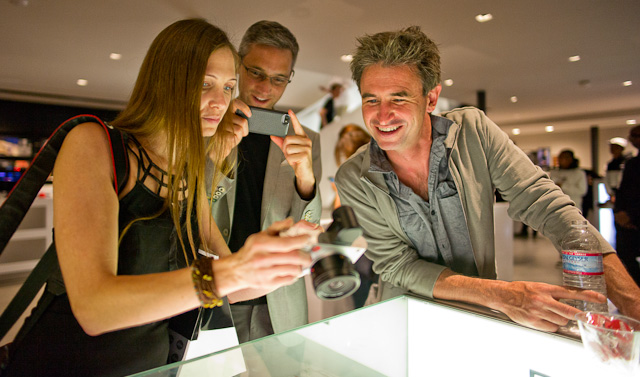
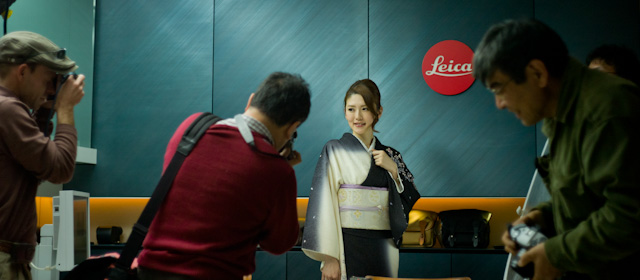
As of June 2011 there exist 20 Leica Stores around the world, as well as 8 Leica Galleries in New York, Tokyo, Prag, Istanbul, Vienna, Solms, Salzburg and Frankfurt. I've been in quire a few of them, and I must say that one that stands out is the Leica Store Tokyo Ginza, whihc is also the home of the Leica Gallery Tokyo (as well as a service and repair department on the first floor where men in traditional white Leica kilts can coat lenses, adjust cameras and perform quite many services on site). The reason the Tokyo store and gallery is worth a visit, is that it's the most lavish designed Leica Store with attention to every little detail from walls dressed in exotic silk and with sliding doors that reveal a hidden lens collections, to white glass walls you can look through at day but which turn into white walls at night. Not to mention the walls with small displays of special editions from Leica MP Hermes to Leica M9 Titanium, as well as rare and historic Leica cameras.
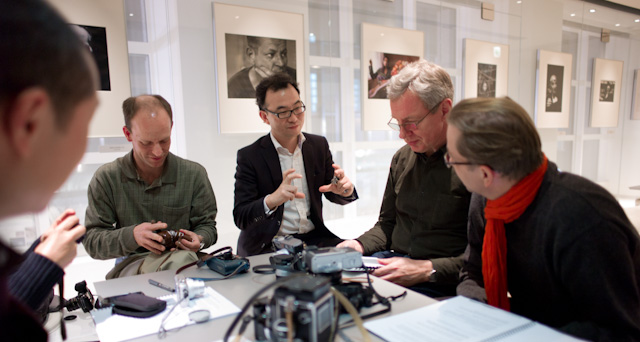
Mr. Shiyo Takahashi, Manager at Leica Ginza Shop, with a group of Leica photographers, including me, in the Leica Gallery on the first floor. Photo: Pieter Franken.
The Leica Store Tokyo also answers for the sale of somewhat half the world wide production of new Leica MP and Leica M7 film camera. So if you haven't caught the Leica film camera bug, you may experience some new longing for film at this film-loving location. The Leica MP is within reach on the counter, and though the Leica Store Tokyo doesn't feature second-hand equipment, it's widely available elsewhere in Tokyo.
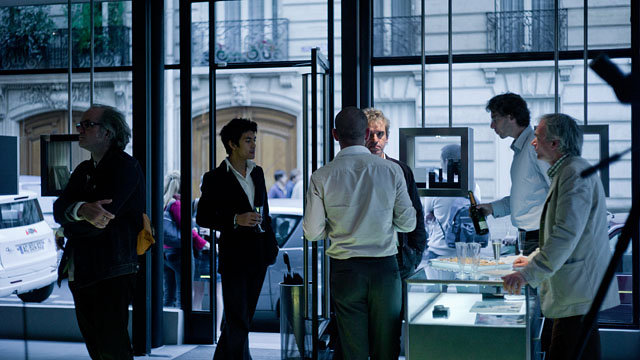
The Leica Store Paris is ... not a big surprise, but a pleasant one ... very French. Which means welldressed and casual - and with espressos within reach. They opened a second store, Leica Store Marseille in 2011, and a third in 2015.
The Leica Store Paris
The Leica Store Solms (now in Wetzlar) is the factory store, and between us, that one and the Leica Store Tokyo may be the best stocked stores of them all. So when in search of something special, my search would include the Solms store. It may be that they get the same amount of cameras and lenses as other stores, but they definitely don't have people walking in from the street (given their remote location).
So perhaps that is why. In the same breath I should mention the without any doubt best Leica Customer Service department in the world; that got to be the one in Solms. It's located a 5 minute drive from the actual factory and is open every day. You can simply walk in with your equipment, and with some luck they will fix it while you have a coffee (no espressos) in their leather sofa, or while you take a factory tour of the Leica Camera AG factory. You may also stay for some days to experience Wetzlar and Solms, and then the place would be the Wetzlar Hof where they offer 10% discount to Leica customers (a 10 min drive from Leica Camera AG).
You may also consider staying on the other side of Solms, for example at the Schloss Hotel lying a 5 min drive from Leica Camera AG in the more happening place Braunfels.
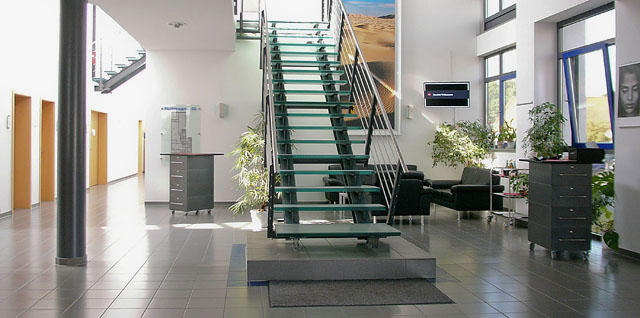
The Leica Customer Service as it looked untill May 2014 when the Leica Camera AG factory moved to new headquarter in Wetzlar. Is was located in a separate building at Solmser Gewerbepark 8 in Solms.
When spending time in Solms and Wetzlar, you may find it useful to visit for example the Gasthof am Turn lunch and dinner restaurant (with a dog named Oskar) situated on the cosy square at Marktplatz 11, 35619 Braunfels/Lahnin vis a vis the Altstadt von Braunfels castle. There's lots of cafés, restaurants and shops around the square why it's a good place to hang out whilst the people at Customer Service dust off the old cameras.
The Leica Store London has developed into somewhat a Leica Embassy with a Leica Store and Leica Acadamie with studio facilities (for demonstration only; a rental studio might come later) on one side of the street, and a UK Customer Service on the other side of the street where they can perfom adjustments and the likes. Their acadamy features classes for all English-speaking customers with the very talented wedding and street photographer By Brett, so if in London, set aside time for one of his classes in the Leica Store London.
The Leica Store Hong Kong are actually two stores with a 10 minute drive between them, both rather small, and 'suffering' from the great interst in Leica from all China. They also opened one in the Hong Kong Airport. So if you won't find what you are looking for, Hong Kong offers quite a few extremely well-equipped camera stores with both new and second-hand Leica equipment. To name an example, I found five(!) of the very rare 1934-1940 Thambar 90mm f/2.2 lens within one hour in Hong Kong. But you will find new stock of Leica M6, motor winders and what have you. It's the Leica R Us, so help yourself if you don't have any economical limits on your credit cards!
Also in Hong Kong, one will find an extraordinary Leica doctor, Mr. Lo Kwok Wah (room 1303, Lee Wai Commercial Building, Kowloon, Hong Kong), with an exceptional knowledge about Leica lenses and camera bodies ... and he can fix them too.
The Leica Shop Vienna was the first dedicated Leica Shop that opened in 1991, but not by Leica. Peter Coeln was a photographer in Vienna who didn't like the idea of using digital cameras, so he transformed his studio into a gallery and opened a Leica Shop with vintage and new Leica Cameras that over the years have grown into a photography dynasty and a paradise for photographers. I did this 19 minutes portrait in September 2013:
The other stores in Moscow, Sao Paulo and other places I still have to visit, and I shall update this page as I get around to visit them. The Leica Store Hamburg and Leica Store Berlin are not real Leica owned stores, but look like the real Leica Stores with the shop design. They both feature second-hand Leica equipment.
For a complete overview of the Leica Galleries and current and upcoming exhibitions, have a look at the Leica Galleries website
F11 Photographic Museum is a private gallery and camera collection founded by Douglas So who became an avid collector of Leica cameras and prints after his wife gave him a Leica M6 a few years back.
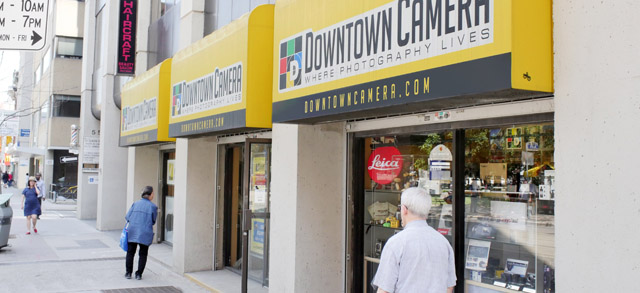
Toronto, Canada offers Downtown Camera at 55 Queen Street East, a very competent Leica dealer with great stock of new and used Leica cameras and lenses. They are widely known for good service, which includes letting the customers try out the equipment. It's run by Harry Mac and company.
Downtown Camera at 55 Queen Street East in Toronto has been in business more then 40 years.
Ken Hansen, New York
One of the interesting Leica dealers is Ken Hansen who came to the US in 1961 from Germany and has a Danish father. For years he ran one of the finest camera stores in New York and now today runs it from his homes in New York and Florida. One of the best stocked Leica dealerships in the US. At age 77 (in 2015) he gets up at 5 AM in the morning and handle e-mails, then spend some of the day doing deliveries in the city and return home to handle more e-mails. He usually has a very good stock of new and second-hand and is very helpful in finding the right stuff for the right prices.
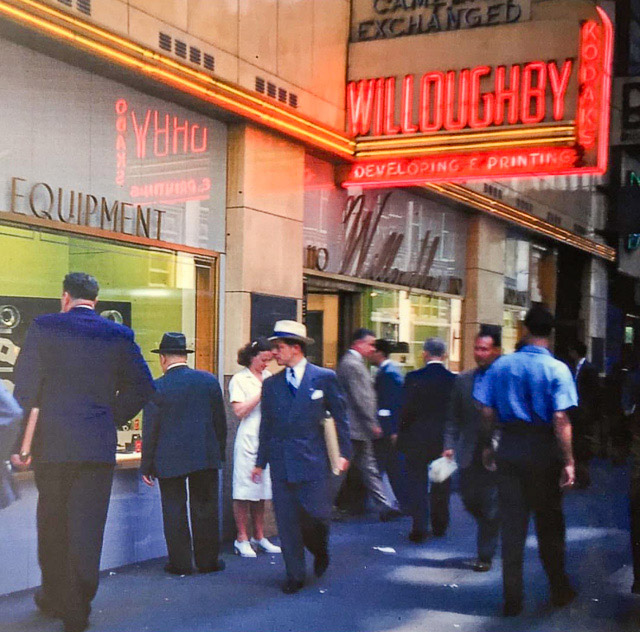
Another famous camera store in New York, Willoughby's, is also an avid Leica dealer. Established 1898 they claim to be the oldest cameras store in NYC. They are just next to my favorite hat store, JJ Hat Center.
Leica film development and printing (Solms and Tokyo)
It may come as a surprise to many that both the Leica Store Solms and the Leica Store Tokyo offer high quality handmade prints from film. In Solms it's such a hidden feature that only a small brochure exist in German, but the darkroom is for sure there and manned with qualified people, and the service is available to everyone. Development of a black-and white film is in the range of 5,50 Euro whereas a 30x40cm print cost from 35,00 to 49,00 Euro, depending on the type of pape. They do many sizes and also offer special development of black and white films, as well as contact sheets in both 1:1 and 1:2.
In the Leica Store Tokyo the prices are
2,500 Yen (22 Euro) for film development (3,600 Yen for development including contact sheet), and individual prints from 1,260 Yen to 28,350 Yen, depending on size and paper.
(Update 2014: These are closed after Leica moved to Wetzlar)
Apply
code "UPDATE113" on checkout to get this complete version 11.3 update.
$298.00
Updates all previous Surival Kit versions since 2009.
Buy the complete new
Lightroom Survival Kit 11.3
The Legendary Tutorial for Photographers
Brand-new JUNE 2022-version.
Now with brand-new 4+ hours of video tutorials.
New sections on compostition and storytelling.
How to edit color photos.
How to edit black & white photos. How to do keywords logical and easy.
The most successful photo editing kit ever
Photographer Thorsten Overgaard first released the Lightroom Survival Kit in 2009 and have honed it with new and fresh updates. This Version 11 is the most radical updated and renewed version ever, four years in the making.
Professional workflow experience made simple, logical and easy to use.
Master editor makes it simple to understand
The Survival Kit is unique and one-of-a-kind being made for photographers for photographers. When someone understands their subject, they can explain it so it is easy to understand. The hallmark of Thorsten Overgaard is to make expert knowledge shown and told in a way so anyone can apply it.
Hands-on advice that works
With a 450 pages workbook and 4+ hours of video, every element of digital photography is touched on, in handy chapters and pre-flight checklists. Editing of color vs black and white photos, keywording, cropping of images, fine-tuning of tones, color balance and color control, export of originals, printing, archiving and backup, and much more.
Comes with the Overgaard Leica Presets (Value $48)
The Lightroom Survival Kit comes with Thorsten Overgaard's special-made Lightroom Presets for all digital cameras and for Leica digital cameras.
Understand all from camera to the final print
Chapters in this version goes over the background for High Dynamic Range (HDR), digital raw files and how to set up a professional photography workflow, from calibrating the screen to editing in Lightroom, and to making a final print. And more ...
10+ years experience in one package
No need to spend years figuring out the smartest way to do things when you can tap into the best way of doing things right here. The workflow of Thorsten Overgaard as been refined through years of field work with more than a thousand workshop attendees.
This method of workflow now used by thousands
The Survival Kit has been taught to thousands in workshops and in this Survival Kit. What does it do? It make you enjoy taking and making photos, and it increases your production considerabely. Most important of all, it'll give you back ownership of your files (which you will understand why is so important, once you have bought the Survival Kit and started applying its methods).
"Thorsten's methodology is perhaps not what hardware-, software- and cloud-companies want us to do, but as a former IT engineer I can only acknowledge his views about preserving our digital heritage. This workflow explained is for me the best I have ever seen".
★★★★★
Video tutorials, image files, presets, checklists, definitions, tutorials of Lightroom, that boils down years of experience to a workflow you can implement in less than one day.
Start working in minutes.
Leica Historical Societies
I'll expand on this part later as there exist historical societies in the US (Leica Historical Society America - LHSA) and in UK (The Leica Society), Italy (Leica Historica Italia) and Germany (Leica Historica). In fact, all co-founded by Rolf Fricke who used to work as regional director of marketing and communications as Eastman Kodak, but who obviously also picked up a lifelong interst in Leica cameras. Thanks to his efforts, historical societies exist, as does records of Leica history - things I will get into later.
Co-founder of Leica Historical Society America - LHSA (and in UK and Germany), past president of LHSA Rolf Fricke, photographed in Solms in September 2010 with his very own Leica M3 serial no 980000 that used to belong to US President Ike Dwight D. Eisenhower - and is considered to be one of (if not the) most desirable Leica cameras amongst Leica collectors.
Rolf Fricke bought it for 8,000$ (equivalent to 50,000$ in year 2010) in the 70ties of a former Secret Service presidential security guard who had been awarded the camera by president Eisenhower when he left office in 1961. The camera was awarded the photo-enthusiastic President Eisenhower in 19xx from Leica Camera AG via the German chancellor.
Rolf Fricke stated that "It was a lot of money back then when I wasn't that well off." He paid the camera over a period of time, and when he had paid the full amount that had been agreed would be the price, the camera was handed over to him. He had asked for it to be arranged that way himself. Photo: Thorsten Overgaard.
A little story about the Leica M9 Cuban photos
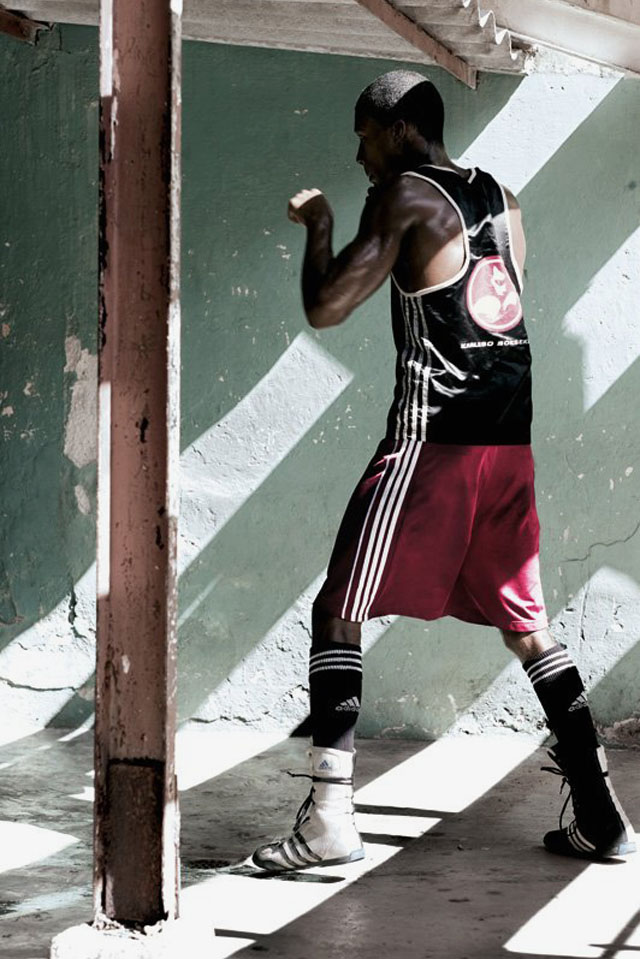
One of the Cuban boxing photographs from Rafael Trejo Boxing Gym in Havana accompanying the introduction of the Leica M9. Photo: Maik Scharfscheer
Upcoming Cuban boxer Yaniel Merino wearing the logo of the Danish boxing club Karlebo Bokseklub
While the Leica M9 photo shoot from Cuba that accompanied the introduction of the Leica M9 in September 2009 looks very Cuban, there is an intersting little detail that almost knockouted some Danish boxers.
The shirt that the boxer Yaniel Merino wears in the photos is a gift from the Danish boxing club Karlebo Bokseklub to Cuba's oldest boxing club, the Rafael Trejo Boxing Gym.
"Yes, it's our shirts with our logo the cuban boxers are photographed in," tells chairman of the Danish club, "Both the secretary of our club, Kaare Vagne and I have been to Cuba on holidays, and then we brought some gear as gifts. It was a very nice surprise to see our training gear in an advertisment for Leica Camera."
April 2010: Chairman Søren Rommelhoff of Karlebo Bokseklub in Rafael Trejo Boxing Gym in Havana with legendary Cuban heavy weight boxer Félix Savón Fabre, winner of three gold medals at the Olympic Games and the most winning ameteur boxer in the world.
Leica and the Jews during Second World War and Holocaust
While Leica was a major supplier to the German war during World War II and was highlighted by Minister of Propaganda, Joseph Goebbels as a German model company, it was also a company where the top management was systematically saving Jews.
These activities, enabling Jews to emigrate, began shortly after Adolf Hitler became Chancellor in 1933 and was intensifiedafter the nationwide "Kristallnach" in November 1938 where ynagogues and Jewish shops were burned across Germany.
As Christians, Leitz and his family were immune to Nazi Germany's Nuremberg laws, which restricted the movement of Jews and limited their professional activities. To help his Jewish workers and colleagues, Leitz quietly established what has become known as "the Leica Freedom Train," a covert means of allowing Jews to leave Germany in the guise of Leitz employees, assigned to Leitz sales offices in France , Britain , Hong Kong and the United States. Rumor has it that they all had a Leica hanging around their neck when they arrived to their new destination, as well as money to get along till they had found a work, usually in the photo indsustry as Leitz offices outside Germany would help them find work.
Leitz's daughter, Elsie Kuhn-Leitz, was imprisoned by the Gestapo after she was caught at the border, helping Jewish women cross into Switzerland. She eventually was freed but endured rough treatment in the course of questioning. After the war, Elsie Kuhn-Leitz received numerous honors for her humanitarian efforts, among them the Ordre des Palmes Académiques from France in 1965 and the Aristide Briand Medal from the European Academy in the 1970s.
With Germany's invasion of Poland and the sealing of borders in August 1939, these activities more or less came to an end.
During WWII Ernst Leitz II helped dozens (some say hundreds) of Jews to flee Nazi Germany prior to the closing of its borders. This is a short documentary explaining his role.
Leica Family tree
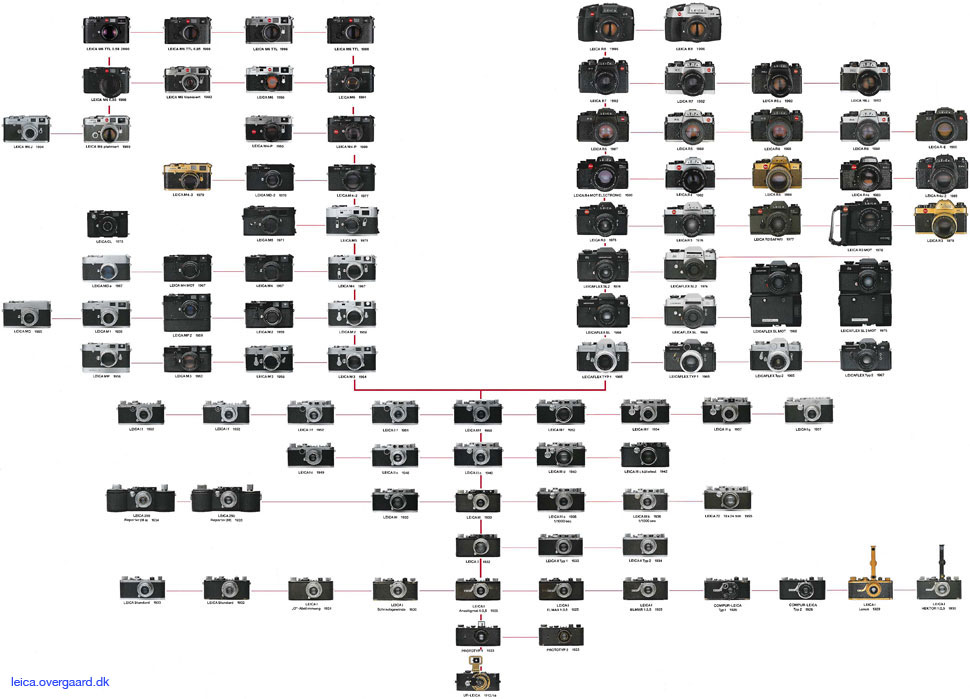
If one visits the Leica Camera AG factory in Solms, Germany, one can view a live family tree of Leica camera bodies. Though, as some have noted, there is not a family tree of Leica lenses, nor Leica compact cameras (C-Lux, V-Lux, D-Lux and Digilux). Photo: Thorsten Overgaard. Below is a 2003-version for download as PDF (not updated with the recent digital M cameras):
The family tree of Leica camera bodies in Solms, Germany, with Vice President for Marketing Leica North America Christian Erhardt in the background with a guest. Photo: Thorsten Overgaard.
- Thorsten Overgaard
Credits:
Thanks to
Erwin Puts
Frank Dabba Smith
Justin Scott
LHSA co-founder Rolf Fricke
Peter Karbe
LHSA president Bill Grimwood
Ottmar Michaely David Farkas Dale Photography LA Douglas Herr
Arsenal Photo
...and others ...
for knowledge and interest.
LEItz CAmera = LEICA
Founded 1849 in Wetzlar, Germany. First as "Optical Institute" (1849), then "Ernst Leitz Optical Industry" (1869), Leica GmbH (1986), Leica Camera AG (1998).
Thorsten von Overgaard is a Danish-American multiple award-winning photographer, known for his writings about photography and Leica cameras. He travels to more than 25 countries a year, photographing and teaching workshops to photographers. Some photos are available as signed editions via galleries or online. For specific photography needs, contact Thorsten Overgaard via email.
You can follow Thorsten Overgaard at his television channel magicoflight.tv.
I am in constant orbit teaching
Leica and photography workshops.
Most people prefer to explore a
new place when doing my workshop.
30% of my students are women.
35% of my students dotwo or more workshops.
95% are Leica users.
Age range is from 15 to 87 years
with the majority in the 30-55 range.
Skill level ranges from two weeks
to a lifetime of experience.
97% use a digital camera.
100% of my workshop graduates photograph more after a workshop.



















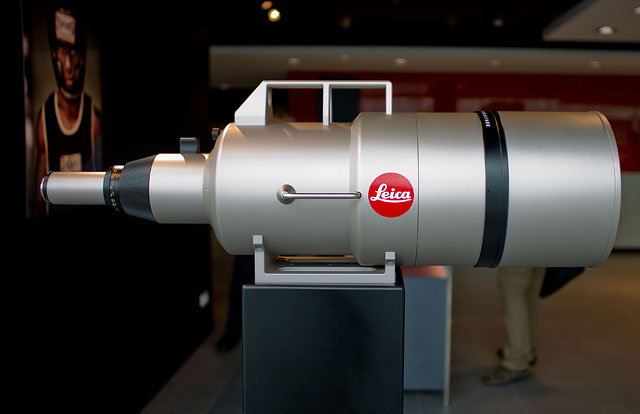 The 1600mm Leica Telyt-R APO prototype. © Thorsten Overgaard.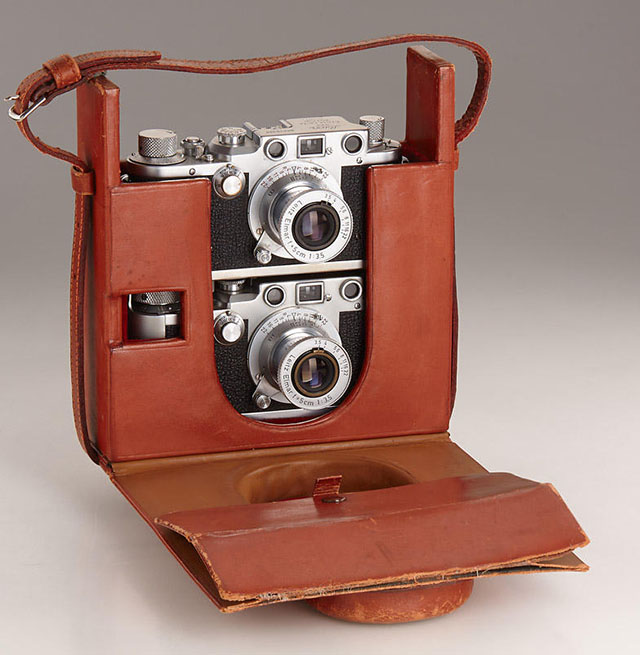
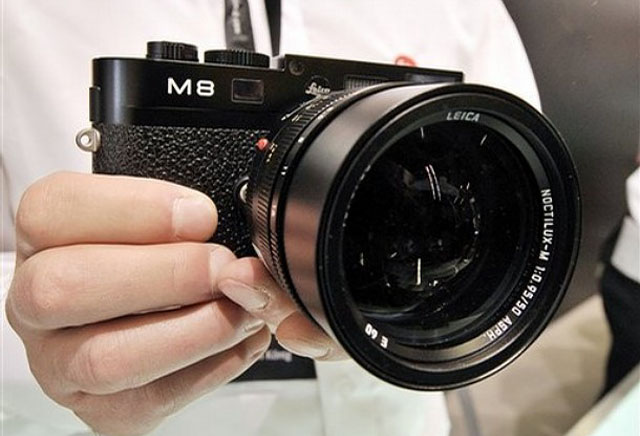
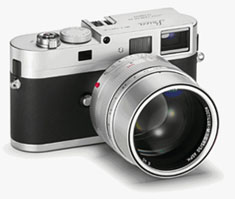 Leica M9-P silver chrome for the Leica Shop Vienna 20th Anniversary on June 16, 2011. Only 20 cameras made with accompanying Leica Noctilux-M ASPH f/0.95 Silver Chrome Limited Editionm and another 20 Leica M3-P analog film cameras with accompanying Leica Noctilux-M ASPH f/0.95 Silver Chrome Limited Edition.
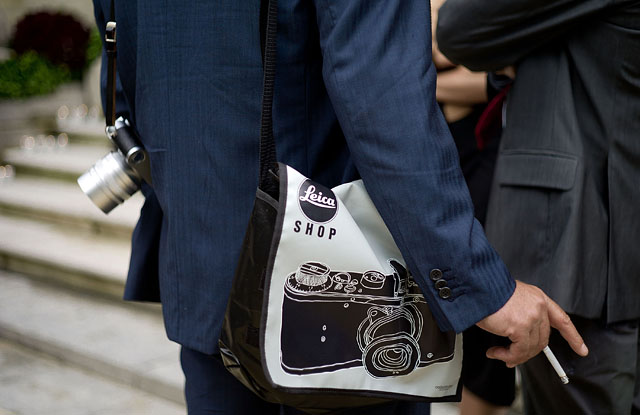 One of 40 pieces of the
 Ernest Cesar has more than 20 years experience with cleaning, adjusting and repairing Leica cameras at Camera Electronics in Perth. Here he's adjusting a 75mm Summilux lens.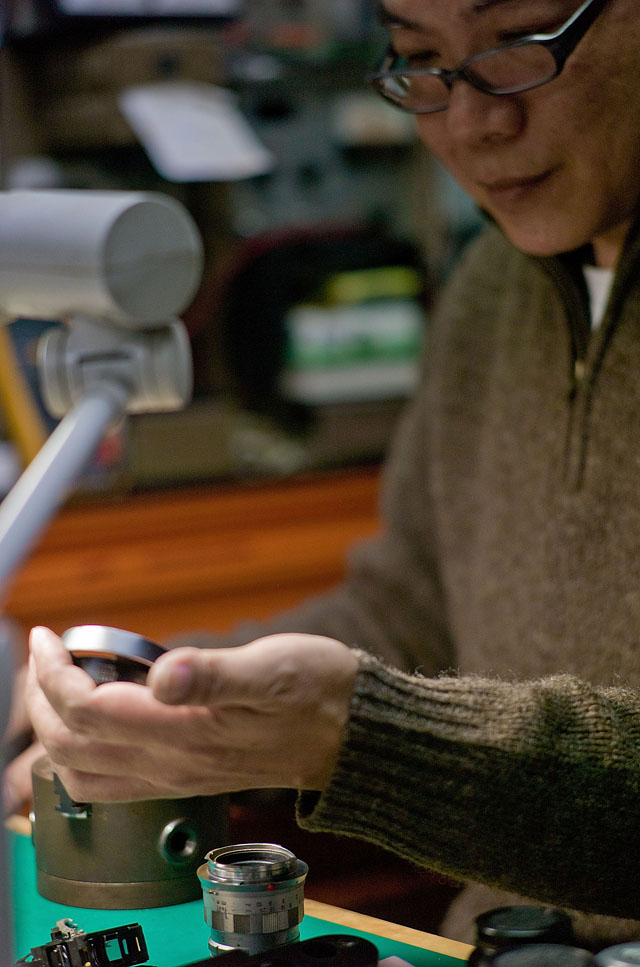


 April 2010: Chairman Søren Rommelhoff of Karlebo Bokseklub in Rafael Trejo Boxing Gym in Havana with legendary Cuban heavy weight boxer Félix Savón Fabre, winner of three gold medals at the Olympic Games and the most winning ameteur boxer in the world.